
Style is a signal to your nervous system.
Comfort, movement, and calm—dress for focus like a country-club regular.
Why clothing affects confidence and mobility
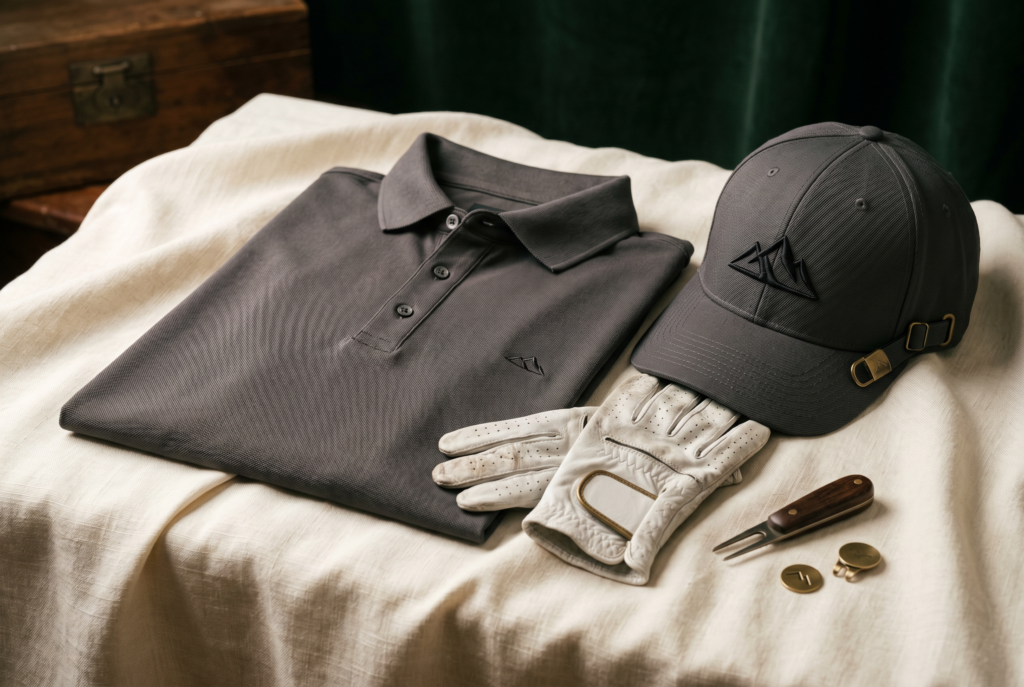
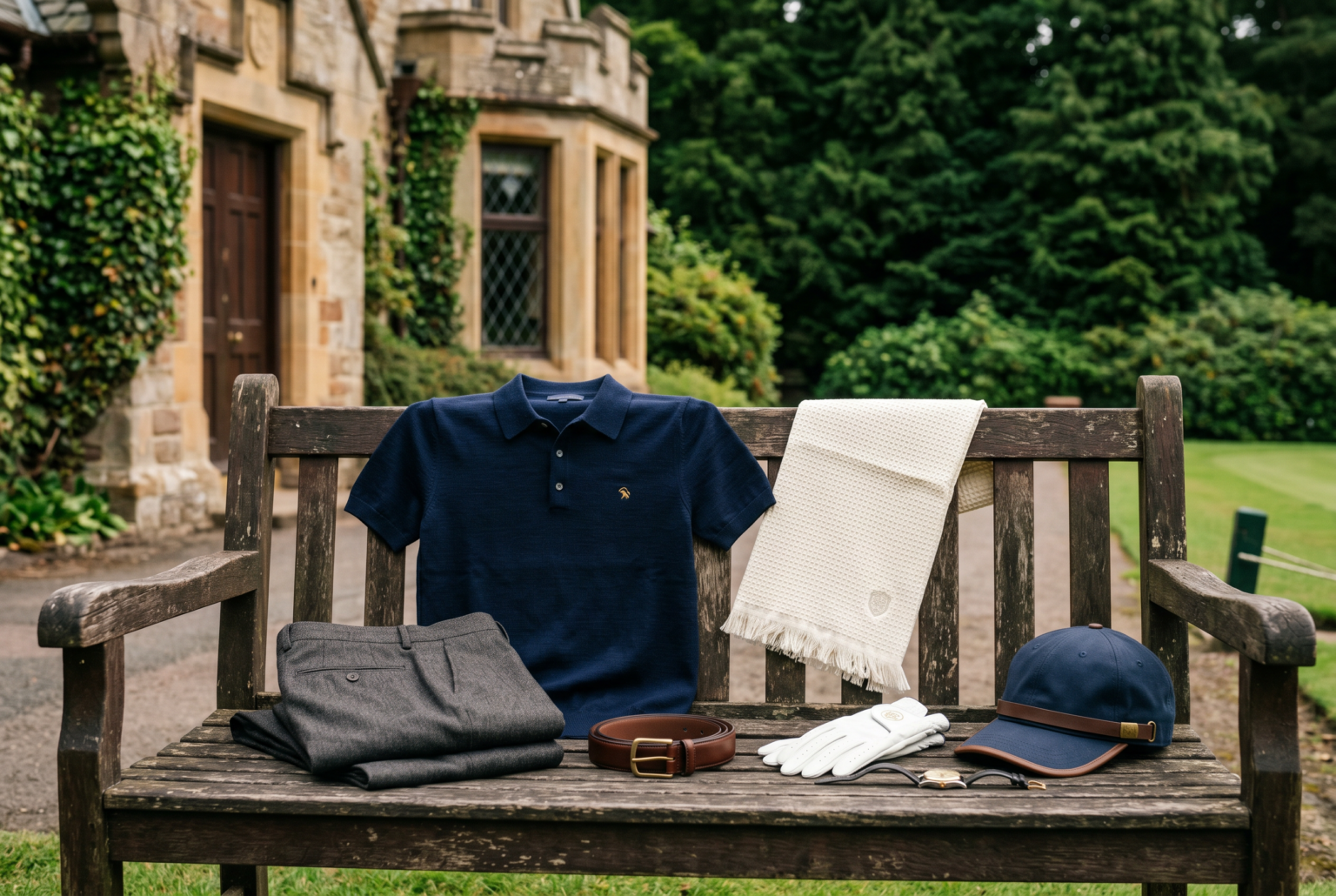
What you wear on the practice range and the first tee shapes more than appearance. Proper kit supports you physically—freeing your shoulders, enabling full arm swing, and keeping you warm or cool as the session demands. A well-fitted polo with 4-way stretch and mid-weight trousers prevent tugging at the hip and chest during tempo changes. In short, clothing becomes part of your swing routine, not a distraction.
- Prioritise mobility over flash. If fabric prevents a full turn or your shirt hems snag during a waggle, you’ll default to a shorter, less fluid swing.
- Fit matters at the waist and shoulders. Seek a silhouette that allows a clean take-away without binding.
Pro Tip. test a potential outfit by performing a few practice swings with the top tucked in and then released. If you feel constraint in the upper torso, try a size up or a more flexible fabric.
Fabric and fit priorities for beginners
For comfort and longevity, choose materials engineered for golf performance and easy care.
- Polos: 90% polyester with 10% elastane offers breathability, moisture-wicking, and stretch. Weight range around 170–210 g/m2 is versatile across seasons.
- Trousers and shorts: flat-front, stretch blends, and a mid-rise for stability through the hips. Look for articulated knees and a slight taper to avoid catching on the calf.
- Layers: a lightweight mid-layer or quarter-zip sweater in a neutral tone. Opt breathable knits with a clean zip pull for quick adjustments.
Pro Tip. aim for a cohesive three-colour palette (forest, ivory, charcoal). It simplifies decisions and keeps you looking purposeful.
Gloves, shoes, and traction choices
Your grip and footwork are foundations of repeatable contact.
- Gloves: one glove on the lead hand for a right-handed player, or two if you prefer symmetry. Choose a snug fit around the knuckles with a smooth palm surface. Rotate gloves to extend life; replace when the grip is worn and any tack has degraded.
- Shoes: spikeless rubber or minimal-cleat designs give steady grip on wet or dry mats. Look for durable outsole lugs, good arch support, and a breathable upper.
- Traction: on average, spikeless shoes perform well for practice and casual rounds; reserve studs for very damp conditions or longer rounds on firm turf.
Pro Tip. keep a spare glove in your bag and rotate every few holes to avoid moisture buildup.
Colour discipline: forest, ivory, and charcoal
A restrained palette keeps the silhouette clean and reduces glare.
- Forest for polos or sweaters adds depth without loud branding.
- Ivory or light beige trousers or shorts lighten the lower half and pair well with forest or charcoal tops.
- Charcoal anchors the outfit; it pairs with almost any polo and hides wear from frequent practice.
Bag organization for fast access
A well-ordered bag speeds your session and reduces mis-aimed gear hunts.
- Keep tees, markers, and balls in a front pocket for one-handed access.
- Place gloves, towels, and a spare sleeve of socks in a dedicated side pocket.
- A small, soft pouch for valuables (watch, keys, coins) keeps essential items secure.
On-course presentation etiquette
Dress and behave with quiet confidence. The first impression on the practice area translates to the on-course experience.
- Dress to club standards: no denim or overly casual hoodies; hats worn forward.
- Keep logos discreet and clothes free of excessive wear.
- Pace your session with respect for others; repair every divot and replace footprints in bunkers.
A practical kit list for month one
- 4–6 polo shirts in forest, ivory, and charcoal
- 2 pairs of lightweight, stretch trousers or shorts
- 1 lightweight rain shell (packable)
- 2 gloves (plus 1 spare)
- 1 pair of spikeless shoes with good tread
- 1 cap and sunglasses
- 1 microfibre towel, divot tool, ball marker
- 10–15 tees in a small case
- 1 small, padded bag insert for valuables
What’s next – On-course presentation etiquette