
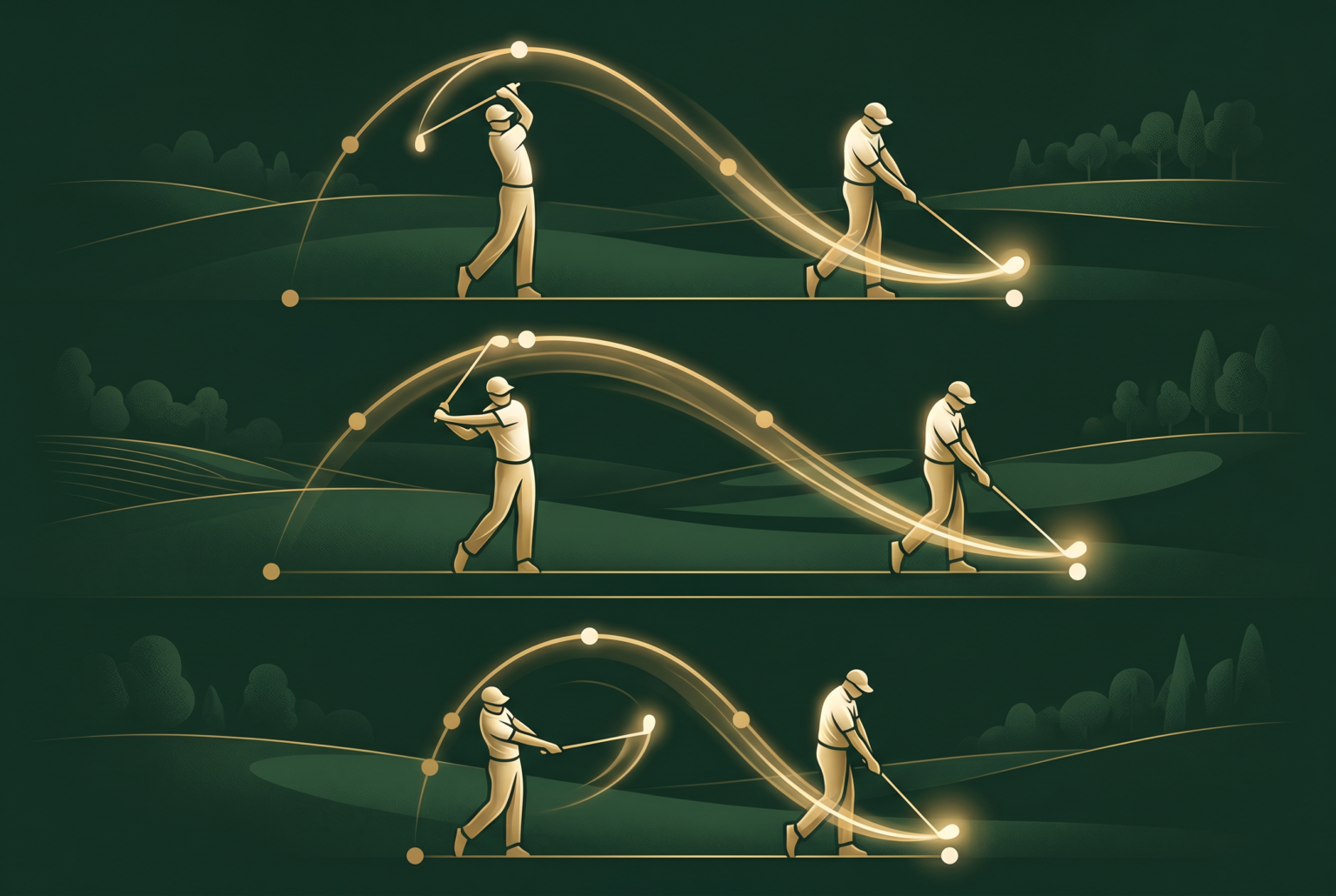
Rhythm is the quiet advantage.
Learn the swing’s metronome—so your contact improves even when you’re nervous.
Why beginners lose timing (and how to fix it)
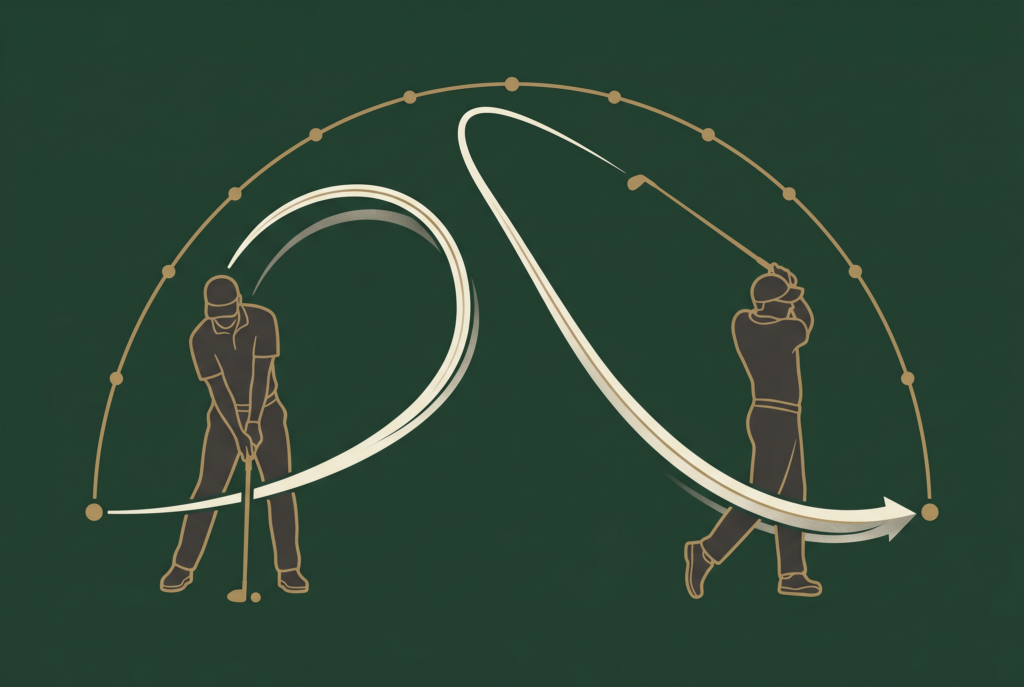
Novice golfers often overthink contact at impact, tense their grip, and race the club into the ball. The nervous energy lifts the tempo, the body constrains itself, and the swing loses its natural rhythm. The fix is simple in concept but demanding in practice: restore a reliable tempo that you can feel, not just hear. Use a metronome as your swing’s heartbeat, aligned with clear physical cues. When nerves rise, your rhythm should still land in the same cadence, guiding the club into the ball with steady energy rather than brute acceleration.
- Embrace a predictable cadence for all shots, from a short iron to a driver.
- Tie your tempo to tangible actions: how the hips move, how the chest rotates, and when the hands release.
- Practise with intention at the range, then apply the cadence on the course with a calm pre-shot routine.
Pro Tip. Treat tempo as a mechanical skill, not a reaction to nerves. The more you train the rhythm, the less the nerves intrude.
The 2-Beat and 3-Beat tempo models
Two clear cadences help beginners find a reliable rhythm.
- The 2-Beat model
- Cadence: Backswing equals Beat 1, the transition and impact equal Beat 2.
- Practise cue: “Take it back, then through.” The backswing and the downswing share a single second beat.
- Why it helps: it keeps the swing compact and easy to repeat, particularly when you’re anxious.
- The 3-Beat model
- Cadence: Takeaway to the top is Beat 1, the start of the downswing is Beat 2, impact through finishes is Beat 3.
- Practise cue: “Take, transition, through.” Let the downswing start as a separate pulse.
- Why it helps: it creates a longer, more deliberate backswing and a clear initiation of the downswing.
Pro Tip. If nerves tighten your body, start with the 2-beat model. Once you’re comfortable maintaining rhythm, experiment with the 3-beat cadence to cultivate a smoother transition.
Backswing length as a tempo tool
Backswing length is your most direct tempo lever. Shorter backswing with a steady cadence tends to produce steadier contact; longer backswing requires more time in the cadence and can magnify tension if you rush.
- For most beginners, a semi‑parallel backswing to about shoulder height keeps tempo predictable.
- If you notice the ball losing its direction, shorten the backswing slightly and re‑establish the cadence before descending.
- If you feel you’re too stiff, lengthen the backswing marginally but keep the same tempo count.
The key is consistency of time rather than the exact arc. A consistent tempo with a repeatable backswing length leads to repeatable contact.
Transition: how to start the downswing cleanly
The transition from backswing to downswing is the moment when rhythm either stays intact or collapses. A clean start comes from the lower body initiating the move while the upper body remains calm.
- Lead with the hips: a slight push from the lead hip toward the target line begins the downswing.
- Maintain spine angle: avoid dipping or lifting; keep a steady tilt through impact.
- Quiet the wrists early: allow the hands to release naturally in the through‑line rather than forcing an early cast.
A practical cue: imagine the belt buckle pointing toward the target during the transition, not the ball. This helps the hips and torso coordinate before the arms swing through.
Training rhythm with half-swings
Half-swings are a deceptively powerful way to embed tempo without the full swing’s complexity. They train the body to feel the beat and encourage smooth sequencing.
- Drill setup:
- Set a slow metronome at about 60 BPM.
- Perform a half-swing from address to roughly the 9 o’clock position, pause for one beat, then return to address.
- Progress to three-quarter half-swings, then full swings, always maintaining the same cadence.
- Focus points:
- Keep the wrists quiet during the backswing; let the body’s rotation carry the club.
- Pause briefly at the top to feel the tempo before starting the downswing.
- On the way down, stay connected to the ground through the ankles and knees.
- Benefits:
- You learn to feel a consistent rhythm without rushing into the ball.
- The pause at the top becomes a reliable anchor for timing under pressure.
Pro Tip. Use half-swings as a bridge to full swings when nerves spike. The cadence you establish with half-reps easily translates to full shots when confidence returns.
Common tempo errors: rushing, stopping, and overswinging
Three traps snag beginners’ tempo. Each has a straightforward remedy.
- Rushing the downswing
- Symptom: the club reaches the ball too quickly; hands race ahead.
- Fix: slow the backswing slightly, count to two before initiating the downswing, and shift weight before the hips rotate.
- Stopping or decelerating at impact
- Symptom: the release feels abrupt or delayed; the ball lacks forward momentum.
- Fix: maintain a smooth through‑swing cadence; a tiny pause at the bottom can help you feel the cadence but should not halt the club.
- Overswinging
- Symptom: the backswing becomes too long, lengthening the cadence and inviting mis-timing.
- Fix: shorten the backswing to a repeatable length; use the 2-beat or 3-beat model to preserve cadence even when the swing arc is compact.
How to practice tempo on the course vs range
Tempo transfers from the practice area to the first tee with a simple, repeatable routine.
- On the range
- Use a metronome to internalise the beat. Alternate between 2-beat and 3-beat cadences to feel which suits your tempo best.
- Practise half-swings that mirror the cadence and top‑of‑backswing cues. Keep the movement compact and controlled.
- Focus on the transition: rehearse starting the downswing with the hips and a quiet frame before the arms engage.
- On the course
- Build tempo into your pre-shot routine: pick a target, take a breath, and count your cadence silently to 2 or 3 as you set up.
- Adapt your backswing length to the distance, but keep the same cadence. A longer shot can feel slower, but you should still execute the cadence.
- Use different clubs to verify tempo stability. If your driver jitters, shrink the backswing and rely on the cadence to finish balanced.
- Mindful reminders
- Never conflate tempo with passivity. You should feel energy, not lethargy.
- Tempo is your anchor when nerves rise. If you lose the beat, reset at the next practice opportunity rather than trying to force the shot.
What’s more, a deliberate pre-shot routine—breathing, choosing a target, setting a tempo cue—creates a mental rhythm that supports physical tempo. Your body and mind align when the cadence holds, even under pressure.
What’s next
- How to build a repeatable tempo with drills and routines