
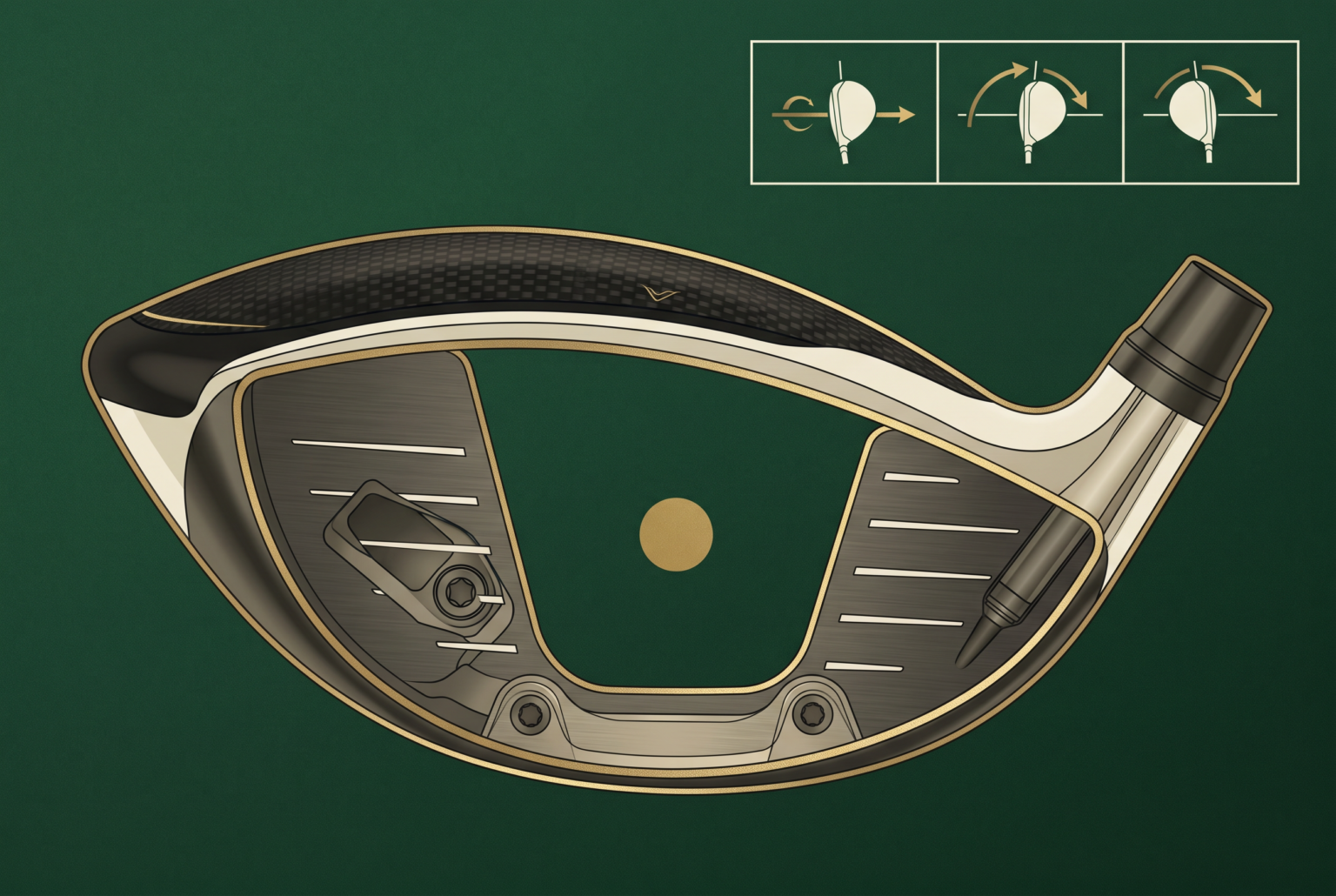
Contact points decide outcomes.
A visual guide to face, path, and strike points—made simple for beginners.
Tee height and ball position
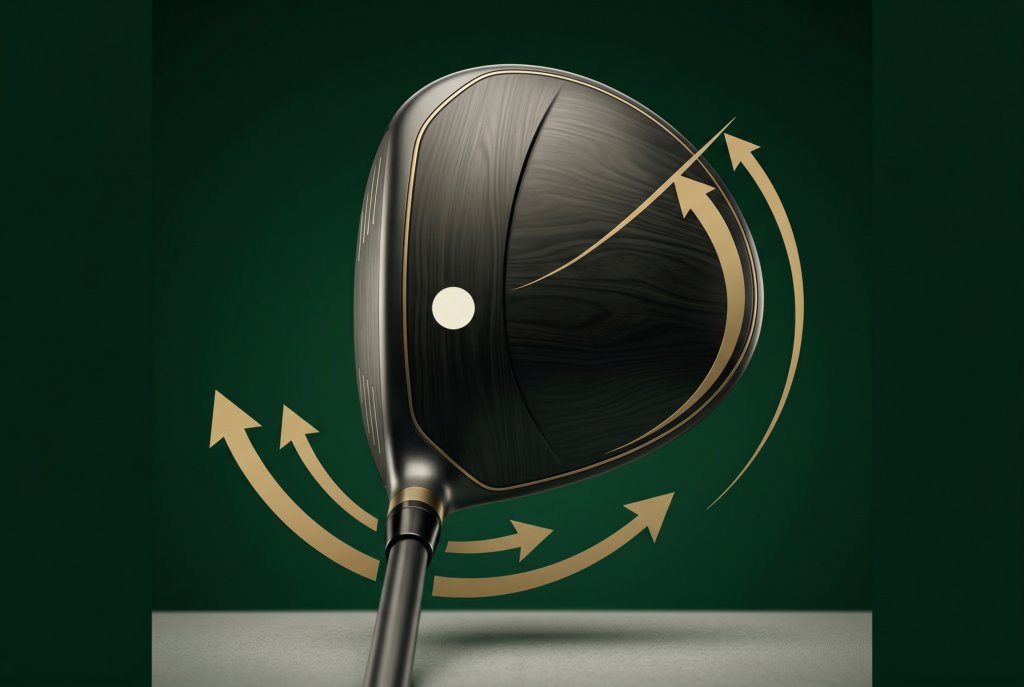
For a confident, repeatable drive, start with ball position opposite the left instep (just inside the left foot) and a tee height that lets about half the ball sit above the driver crown at address. This encourages an upward strike and higher launch with modest spin.
- Ball forward in the stance, slightly ahead of the left toenail.
- Tee height: roughly level with the crown of the club when the driver is addressed; adjust so you can see the top half of the ball above the face.
- Aim and feel: you want to feel a crisp, upward strike through contact.
Pro Tip. Set up behind the ball with a mirror or smartphone to verify ball position and tee height before you swing. Small visual checks save big inconsistency on the course.
Clubface alignment at address
A square-feel begins with the face pointing where you intend to send the ball. At address, the clubface should sit square to your target line and the body aligned parallel to that line.
- Lead edge pointing at the target; toe aiding alignment rather than masking it.
- Body alignment slightly closed to the target line can help counter a typical out-to-in path, but only after you’ve got the face square.
- Use alignment aids (sticks or a second club) to confirm the line from toe to heel runs parallel to the target line.
Pro Tip. Practise with a simple gate drill—place two alignment sticks on the ground a club head’s width apart to ensure you swing through the centre of the face and along the intended path.
Swing direction and strike point
Impact feel comes from a consistent path and a strike near the face’s centre. For most amateurs, a shallow, slightly inside-out path through impact yields better accuracy and distance.
- Path: aim for a slightly inside-out arc, not an extreme from outside-in.
- Contact: middle of the face or slightly above centre to promote a clean strike and good launch.
- Visual cue: imagine swinging into the target line rather than across it.
To train this, try the Gate drill described above and a light cadence—pause briefly at the top, then accelerate smoothly through the ball.
Common driver faults mapped to fixes
- Open face at impact → Fix: neutralise grip slightly and align face square to target at set-up; verify with alignment sticks.
- Outside-in path (slice) → Fix: practise path with the Gate drill; focus on rotating hips and keeping the swing arc on a line toward the target.
- Ball too low or ballooning → Fix: raise tee a touch or move ball slightly forward in the stance; ensure you are compressing the ball with an upward strike.
- Thin or fat contact → Fix: shift weight a touch more toward the rear leg at impact and trap the trail elbow close to the body for connection.
What’s next: drills to improve driver consistency. Explore how to build a compact practice routine that reinforces face alignment, path, and impact so your drives become reliably solid.